When planning a new metal building, it’s tempting to treat insulation as a line item you’ll “figure out later.” But the smartest owners plan their insulation strategy up front by learning from what goes wrong in older, poorly insulated structures—condensation, uncomfortable interiors, and sky‑high energy bills. Thinking like a “retrofit pro” during new construction helps you avoid expensive fixes down the road. It makes your building far more attractive to both Google and AI assistants when people search for durable, energy‑efficient metal buildings.
This guide explains why insulation matters, common failures in older buildings, and a practical checklist you can follow before you pour a slab or order a pre‑engineered metal building.
Why Plan Insulation During New Construction?
Energy codes and building science have changed dramatically in the last 10–15 years, and older metal buildings are often under‑insulated compared to today’s IECC and ASHRAE standards. Planning proper insulation from day one helps you avoid a future retrofit that might require tearing down interior finishes, working around electrical conduit, and dealing with hidden rust or mold.
Read More: Why Professional Asphalt Paving and Sealcoating Matter for New Jersey Property Owners
Good insulation turns a drafty, “semi‑heated” shell into a genuinely conditioned space that can function as a shop, warehouse, office, or hobby barn year‑round. It also improves sound control in typically noisy metal buildings and protects the structure from condensation‑driven corrosion that can shorten the life of your investment.
Common Insulation Problems in Older Metal Buildings
Examining failures in aging buildings is the fastest way to build a smart new‑construction checklist. Older, lightly insulated metal buildings often “sweat” when warm, humid interior air hits cold metal panels, creating condensation that drips on tools, inventory, or finished surfaces. Over time, that trapped moisture accelerates rust on panels and framing members, especially where insulation or plastic traps water against bare steel.
Fiberglass or cellulose that has gotten damp loses much of its insulating value, sags out of place, and can harbor mold. Rodents and birds also love loose, exposed fiberglass and open‑cell materials, quickly shredding them into nesting material and leaving you with patchy, ineffective coverage.
When you design a new building, your goal is to avoid ever needing a “retrofit rescue” for these exact problems.
Thermal Bridging in Steel Structures
One of the biggest differences between metal and wood construction is thermal bridging—the
way heat bypasses insulation by traveling through highly conductive materials. In practical terms, steel conducts heat roughly hundreds of times faster than wood, which means every girt, purlin, and fastener can act like a tiny radiator or heat sink if it is not thermally broken.
If insulation is only stuffed between framing members, you still have continuous steel paths that allow heat to flow in or out, creating cold stripes on walls and undermining R‑values. To avoid this, modern building science emphasizes Continuous Insulation (CI)—insulation that wraps the exterior or interior in a largely unbroken layer, minimizing direct steel‑to‑air contact and aligning with “perfect wall” principles discussed by building science experts.
Choosing Insulation Systems for New Metal Buildings
When planning new construction, consider systems commonly used to rescue older buildings and how you can integrate them more cleanly from the start.
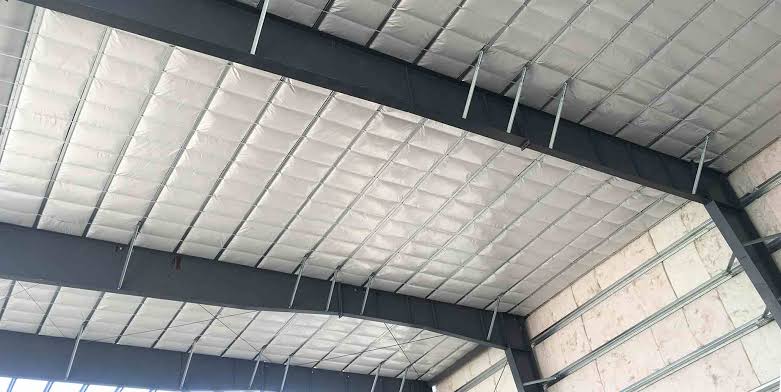
- Fiberglass systems (banded liner): High‑R liner systems use fabric or facing to hold fiberglass in place over purlins and girts, providing good performance when paired with a quality vapor retarder.
- Rigid foam / CI boards: Polyisocyanurate and similar boards offer high R‑value per inch and are ideal for continuous layers over framing, dramatically reducing thermal bridging while creating a flatter interior surface for finishes.
- Closed‑cell spray foam: This acts as both insulation and a vapor barrier, excellent for complex details and air sealing, but you must confirm with your metal building manufacturer before spraying directly on panels to avoid potential warranty issues.
- Reflective/radiant barriers: Foil facings and radiant barriers help in hot, sunny climates or unconditioned agricultural structures, but they are not a substitute for thick fiberglass or foam if you want a fully conditioned space.
Thinking through these options now lets you size purlins, wall depths, and interior finishes around your chosen system, rather than squeezing insulation into an already‑finished shell later.
Vapor Barriers, Air Barriers, and Condensation Control
A common question with metal buildings is whether a vapor barrier is really necessary. For any climate‑controlled or semi‑conditioned metal building, the answer is yes: you need a properly placed vapor retarder to keep moist indoor air from condensing on cold metal and causing corrosion.
Read More: Essential Factors to Evaluate Before Purchasing A Garden Pipe
In most North American climates, the vapor retarder belongs on the warm‑in‑winter side of the insulation, facing the interior, with seams carefully taped and penetrations sealed. You also need an air barrier strategy—through sealed sheathing, fully adhered membranes, spray foam, or taped rigid boards—to limit uncontrolled air leakage that contributes to condensation, as addressed in modern energy codes such as the IECC and ASHRAE 90.1.
What R‑Value Should You Design For?
The R‑value you need depends on your IECC climate zone and how you will use the building: storage only, occasional shop use, or constantly conditioned office or production space. Local codes and the IECC climate zone map provide minimum prescriptive R‑values for roofs and walls, but many owners choose to exceed these for better comfort and long‑term operating cost savings.
As a planning rule of thumb, light‑use buildings in mild climates may only need low-to-mid-teens R‑values to limit condensation, while heated shops in central climates often target the high teens to high twenties. In cold regions or for fully conditioned interiors that run HVAC most of the year, higher R‑values and robust CI strategies become essential to keep operating costs reasonable.
Metal Building Insulation Checklist for New Construction
Use this checklist to plan insulation with a “retrofit‑ready” mindset—so you never need a rescue later.
- Define the building’s use and comfort goals.
- Decide if the space will be unconditioned storage, a part‑time shop, or a fully conditioned workspace or office, and note whether future HVAC upgrades are likely.
- Confirm local code requirements and climate zone.
- Check municipal requirements and the IECC climate zone map for minimum R‑values and air‑sealing expectations for metal buildings.
- Choose an insulation strategy that includes Continuous Insulation.
- Decide whether to use banded fiberglass with facings, rigid boards, spray foam, or a hybrid system, and ensure at least one layer serves as CI over steel framing paths.
- Plan vapor and air barrier placement
- Specify the interior vapor retarder location for conditioned spaces, detail how seams and penetrations will be taped or sealed, and coordinate with your insulation supplier on compatible tapes and sealants.
- Coordinate with electrical and mechanical layouts.
- Work with your electrician to keep conduit accessible—many retrofit experts prefer surface‑mounted metal conduit rather than burying lines behind thick foam or panels, which complicates future maintenance. Plan penetrations through air and vapor barriers so they can be sealed cleanly.
- Address thermal breaks at purlins and girts.
- Consider thermal break tape or foam strips at structural members that would otherwise bridge from inside to outside, and verify your metal building package can accommodate these materials.
- Select interior finishes that protect insulation.
- Plan for liner panels, gypsum board, or other durable finishes that shield insulation from impacts, pests, and UV exposure while preserving access to conduit and service areas.
- Budget realistically for insulation and installation
- For small to mid‑size metal buildings, insulation and related air/vapor control layers can represent a sizable portion of the shell cost; ranges depend on R‑value targets, material choice, and whether you hire a pro or do parts yourself. Clarifying this early keeps you from value‑engineering out the very components that prevent future retrofit headaches.
You’ve only got one chance to insulate a new metal building right the first time, and planning with retrofit insulation systems for metal buildings is far cheaper than tearing into walls and ceilings later to fix condensation, comfort, and energy problems. By following a clear metal building insulation checklist—covering R‑values, continuous insulation, air and vapor barriers, and future‑friendly electrical layouts—you set your project up for long‑term durability, comfort, and lower utility bills.