
Why Shipping Containers? Unpacking Their Versatility
The Evolution of Shipping Containers: From Cargo to Creative Spaces
Shipping containers have undergone a remarkable transformation since their inception in the mid-20th century. Originally designed for the efficient transport of goods across sea and land, they have been repurposed into a myriad of applications that extend well beyond their original use. In recent years, these steel marvels have evolved into innovative housing solutions, pop-up shops, offices, and even swimming pools, showcasing their versatility. The concept of container architecture has gained notable traction as designers and architects push the boundaries of what can be achieved with these industrial boxes. With advancements in insulation, design, and sustainability, the container has transitioned from a mere transport vessel to a valuable resource in modern construction and environmental initiatives.
Creatives around the globe are looking to shipping containers to offer cost-effective and sustainable alternatives to traditional building materials. This trend not only underscores their flexibility but also highlights the potential for creating functional and aesthetic spaces. From chic cafes in urban settings to community centers in developing regions, the applications for shipping containers are as diverse as the individuals and businesses seeking innovative solutions. Whether for personal use in backyard projects or larger developments, the evolution of shipping containers showcases an era where resourcefulness meets architectural creativity.
Eco-Friendly Solutions: How Buying Shipping Containers Can Help the Planet
The increasing awareness of environmental issues has prompted many individuals and corporations to seek sustainable alternatives. Purchasing shipping containers is an excellent way to support eco-friendly practices. By opting for used or refurbished containers, buyers contribute to reducing waste; instead of ending their life in a landfill, these durable structures find new purpose. The energy required to create new building materials such as concrete and timber is considerably high, whereas reusing shipping containers minimizes this demand. In addition to lower carbon footprints, container architecture often employs sustainable design principles, including efficient heating and cooling systems and the use of solar panels.
Read More: Radiator Outlet Ireland Now Offers Underfloor Heating
Moreover, reconsidering the lifespan of materials we regularly discard allows us to disrupt the conventional cycle of consumption. Building with recycled shipping containers exemplifies a circular economy approach, emphasizing resource efficiency and longevity. This movement resonates particularly amongst environmentally-conscious consumers who are eager to reduce their impact on the earth while enjoying stylish, unique, and functional spaces. Hence, investing in shipping containers not only bolsters your creativity but also aligns with a broader consciousness of sustainability that is integral to contemporary society.
Navigating the Online Marketplace: Where to Shop for Shipping Containers
Local vs. National Suppliers: Weighing Your Options for Online Shopping
When it comes to sourcing shipping containers, a critical decision revolves around choosing between local or national suppliers. Both options hold distinct advantages that could cater to varying buyer needs. Local suppliers often provide the benefit of reduced shipping costs and can offer tailored services, often including modifications and customization designed to adapt containers to specific uses. Furthermore, engaging with a local supplier supports community businesses and may facilitate quicker delivery times.
On the flip side, national suppliers might have a broader range of container types, sizes, and conditions on offer. Their extensive networks enable them to ship containers to distant locations, which can be advantageous for larger projects with more extensive requirements. National companies often possess the ability to provide standardized pricing and the assurance of product quality through rigorous inspection processes. However, this could cost more given transportation logistics and despite being efficient, may strike consumers as less personal. Ultimately, weighing the local and national dimensions against specific project needs will help determine the most strategic purchasing plan. A careful analysis of budget, expected usage, and timeline will lead potential buyers towards the most suitable vendor.
Making the Right Choice: Factors to Consider When Buying
Container Types and Conditions: New, Used, or Refurbished?
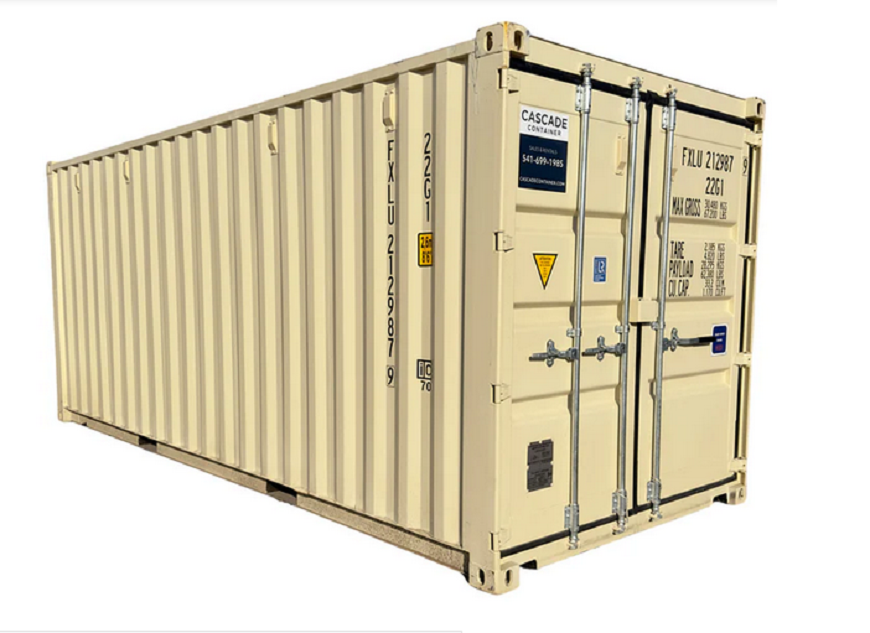
When planning to buy shipping containers online, it is important to understand the various types available and the condition each one offers. Most buyers will come across three primary categories: new, used, and refurbished containers. Each option has unique characteristics that influence durability, appearance, and overall cost. New containers often referred to as one-trip containers are manufactured overseas and used only once to transport cargo before being sold. Because they are nearly brand new, they feature a clean exterior, minimal wear, and excellent structural strength. However, this premium condition usually comes with a higher price tag.
Used containers are a more economical choice. These units have completed multiple shipping cycles and may show signs of wear such as surface rust, dents, or faded paint. Despite cosmetic imperfections, many used containers remain structurally reliable and suitable for storage or modification projects. Careful inspection is essential to confirm they meet safety and environmental standards before finalizing a purchase.
Refurbished containers offer a balance between cost and appearance. These are previously used units that have been repaired, restored, and sometimes repainted to improve both function and visual appeal. They typically combine the durability of a used container with a refreshed look, making them a practical mid-range option for many buyers.
Ultimately, the right choice depends on your specific needs, budget, and intended application. Whether you plan to use the container for long-term construction, commercial storage, or a temporary setup, evaluating condition and quality carefully will help ensure you get the best value when you decide to buy shipping containers online.
Dimensions and Capacity: Finding the Perfect Fit for Your Needs
The dimensions of a shipping container significantly influence its applicability. The most common sizes are 20-foot and 40-foot containers, but additional dimensions are available, including the popular high-cube containers that offer extra height. Understanding standard measurements is vital, as it aligns the container choice with spatial needs for storage, workspace, or habitation purposes. For instance, a 20-foot container has a capacity of around 1,170 cubic feet, making it well-suited for compact storage solutions, while a 40-foot container, with a capacity of approximately 2,390 cubic feet, is favorable for larger applications.
Moreover, one must consider the installation site, in particular, the accessibility for transportation and whether it can adequately support the chosen container’s weight. Buyers should measure height, width, and length concerning the designated space, ensuring there is sufficient room for access and any modifications that may take place post-delivery. Special considerations for larger projects may include zoning and building regulations specific to your locality, which might impose limitations on how container units can be positioned or utilized. An understanding of dimensions not only streamlines the purchasing process but ensures that the chosen container meets its intended purpose effectively.
Shipping and Delivery: What to Expect When Your Container Arrives
Plan Your Delivery: Coordinating Logistics for Smooth Arrival
Securing a shipping container is just the beginning; effectively coordinating the logistics for its delivery can be a pivotal step in the overall buying process. Different suppliers will present varied delivery mechanisms, often depending on location, container size, and accessibility of the delivery site. It’s vital that buyers communicate their specific requirements with their suppliers to ensure that the chosen logistics align with the container type, particularly regarding heavy equipment that may be necessary to transport the container into position on-site.
Read More: 3 Common Site Prep Issues in Patio Installation
Delivery costs can fluctuate, so obtaining detailed quotes and understanding the total charges upfront is advisable. As trucks or delivery vehicles can only access certain areas, you may have to consider additional equipment like cranes or hoists to move the container into place. Planning for delivery should also account for the time of year and local weather conditions, as adverse weather can hinder transportation. Ensuring local permits are obtained where necessary allows for a streamlined delivery process, mitigating any potential delays.
Installation and Setup: Transforming Your Container into a Functional Space
Once your shipping container arrives, the real transformation begins. Owing to their rugged construction, containers can be fitted with a variety of modifications to turn them into usable spaces. Insulation is usually the first step if the container is being repurposed for living or working purposes. This can trap heat during winters and keep the interior cool during summers. Many occupants tend to add windows or doors to allow ventilation and natural light inside the container, which contributes to a more inviting environment.
Depending on its intended use, additional fittings may include plumbing for restrooms or kitchens, electrical systems for lighting and appliances, and enhanced flooring for comfort and aesthetics. Working with professional contractors who specialize in container modifications is recommended as they bring expertise and shared vision into the project, delivering a functional design that aligns with the buyer’s objectives. Creative landscaping around the container can also help blend the structure into its surroundings, further enhancing functionality and aesthetics, and enabling buyers to create bespoke spaces that cater specifically to their lifestyle or business needs.