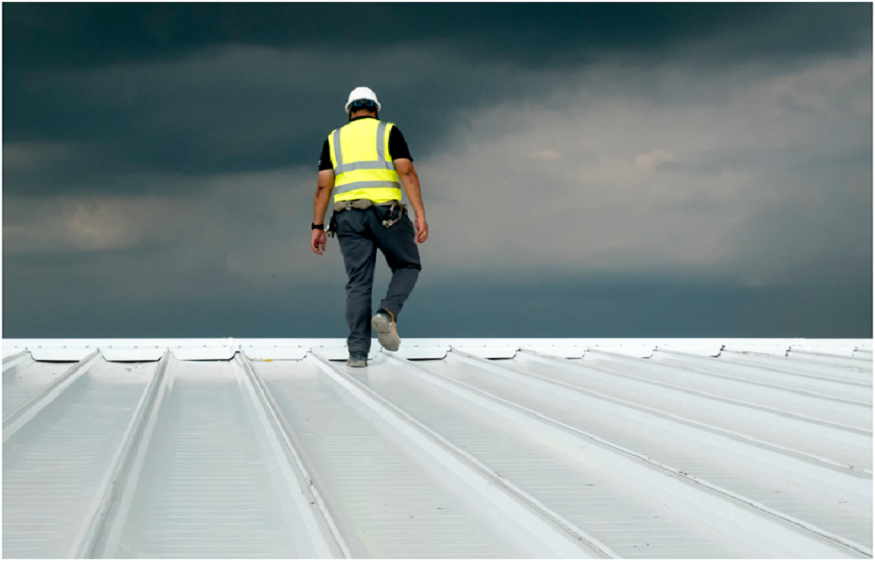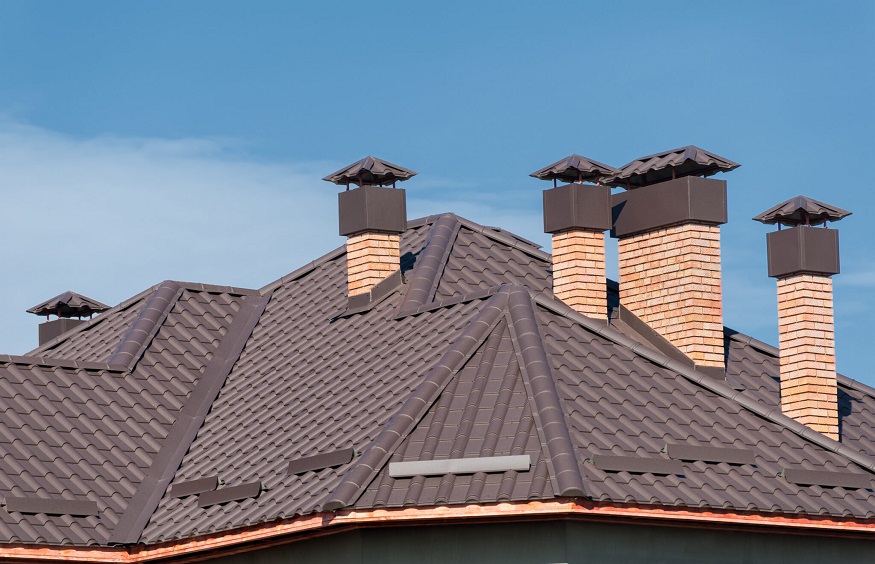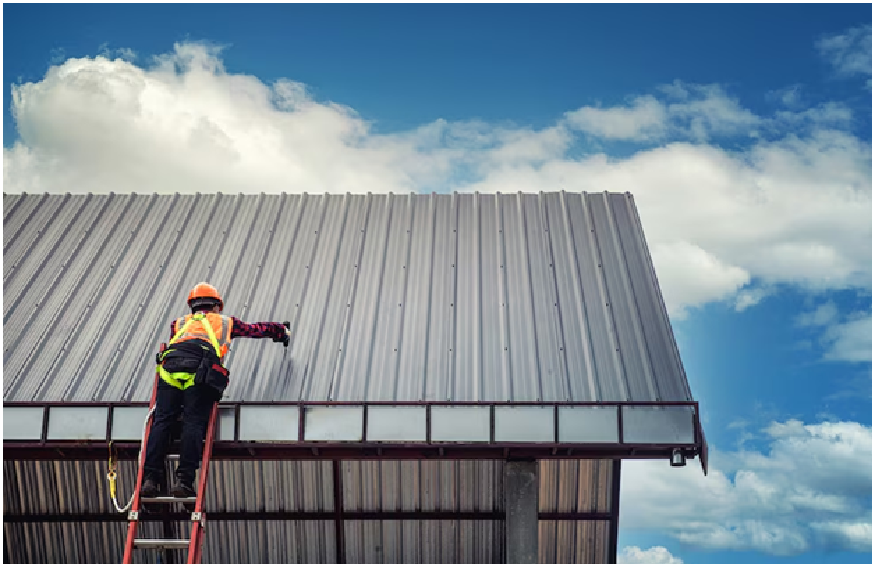
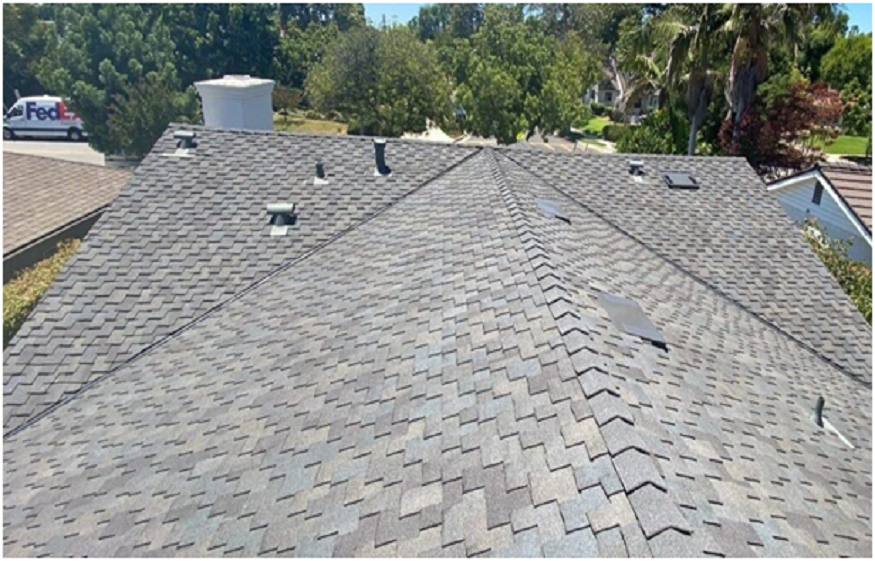
When planning a roof replacement, many homeowners focus on budget, materials, and contractor availability, but one crucial factor often overlooked is the weather. Seasonal and regional weather conditions play a major role in determining not just when your roof can be replaced, but also how successful and long-lasting that replacement will be. Let’s explore how different weather conditions impact roof replacement timing and what you should keep in mind before scheduling your next roofing project.
Spring: A Popular Season with a Few Hiccups
Spring is often ideal for roof replacements. Temperatures are moderate, and contractors begin opening up their schedules after the slow winter season. However, unpredictable rain showers can delay work, potentially prolonging the project. Moisture-sensitive materials, like underlayment and shingles, require dry conditions for proper installation. Any persistent rain could cause scheduling setbacks or quality issues if the timing isn’t right.
Summer: Great for Installation, But Not Without Challenges
Summer offers long daylight hours and consistent weather, perfect for roofers to get the job done quickly. Early summer is typically best, as mid-to-late summer can bring high heat and humidity, which may affect the performance of roofing materials and the safety of the crew. Asphalt shingles, for example, can become overly pliable in extreme heat, leading to improper installation if not handled with care.
Fall: The Golden Window for Roof Replacement
Fall is widely considered the best time for roof replacement. The weather is cool and stable, allowing roofing materials to seal effectively without the interference of summer heat or winter frost. Most homeowners are also preparing for the winter months, making it a peak season for roofing contractors. Scheduling early in the fall is crucial, as demand often surges, and available slots fill quickly.
Winter: Risky but Not Impossible
Although winter roof replacements are less common, they’re not entirely off the table. In warmer climates or during mild winters, replacing a roof during the off-season can be cost-effective due to lower demand. However, freezing temperatures can compromise adhesive materials and make shingles brittle, increasing the risk of damage during installation. Snow, ice, and shortened daylight also present safety and timing concerns for crews.
Regional Considerations Matter
Aside from seasonal weather patterns, your geographical location plays a major role in roof replacement timing. For instance, homeowners in coastal or hurricane-prone areas should avoid replacing roofs during storm seasons. In contrast, those in the northern states should aim for spring or fall to avoid the extremes of summer and winter.
Plan to Beat the Weather
To avoid weather-related setbacks and ensure a smooth, high-quality installation, it’s best to plan your roof replacement. Discuss timing and weather concerns with a professional roofing contractor who understands your region’s climate and can recommend the best timeframe.
Is Your Roof Ready for Replacement?
Don’t let unpredictable weather catch you off guard. Contact our roofing experts today to schedule a free inspection and get personalized advice on the best timing for your roof replacement. Your home deserves a roof that’s built to last, rain or shine!
This post was written by the team at FRG, your trusted Roofing Contractor Ballwin MO. With over 30 years of combined experience, FRG is a reliable roofing company serving homeowners and businesses throughout Missouri. Specializing in roof repairs, replacements, and storm damage restoration, our in-house, factory-certified experts deliver high-quality workmanship and personalized service on every project.