Designing Future Workspaces That Inspire Collaboration
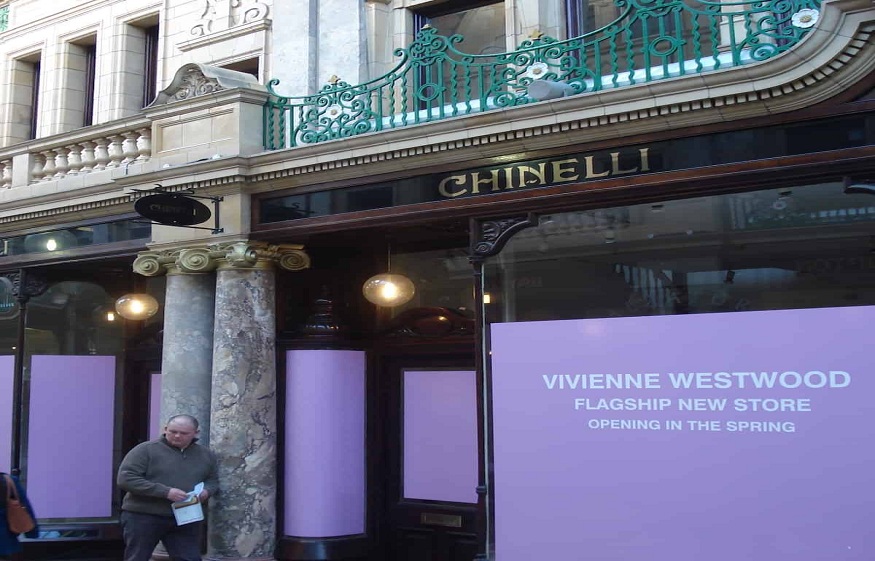
traditional signage
6 Views

As the modern workplace evolves, companies are focusing on creating spaces that encourage innovation, communication, and collaboration. With the rise of hybrid work models and diverse team structures, it’s essential that office environments adapt to foster creativity and teamwork. The key to achieving this is through thoughtful workspace design that promotes collaboration without sacrificing individual productivity.

Flexible Office Layouts

One of the most important aspects of designing a collaborative workspace is flexibility. A workspace should accommodate various working styles and team needs. Companies are moving away from traditional cubicles and static desk arrangements and embracing flexible layouts that can be adapted to different tasks. Modular furniture is a great example of this, as it allows for easy reconfiguration of spaces to accommodate everything from team brainstorming sessions to individual focused work.

For example, spaces that can easily transform from a quiet area to a collaborative meeting space provide employees with the freedom to choose where they work based on the task at hand. This flexibility encourages creativity and promotes collaboration while ensuring employees feel comfortable in their workspace.

Technology That Enhances Collaboration

In today’s digital world, technology plays a crucial role in creating a collaborative work environment. Tools that enable real-time communication, file sharing, and video conferencing are integral to ensuring that employees remain connected and productive. Smart technology can seamlessly integrate into the workplace, enabling smoother collaboration across teams, regardless of whether employees are in the office or working remotely.

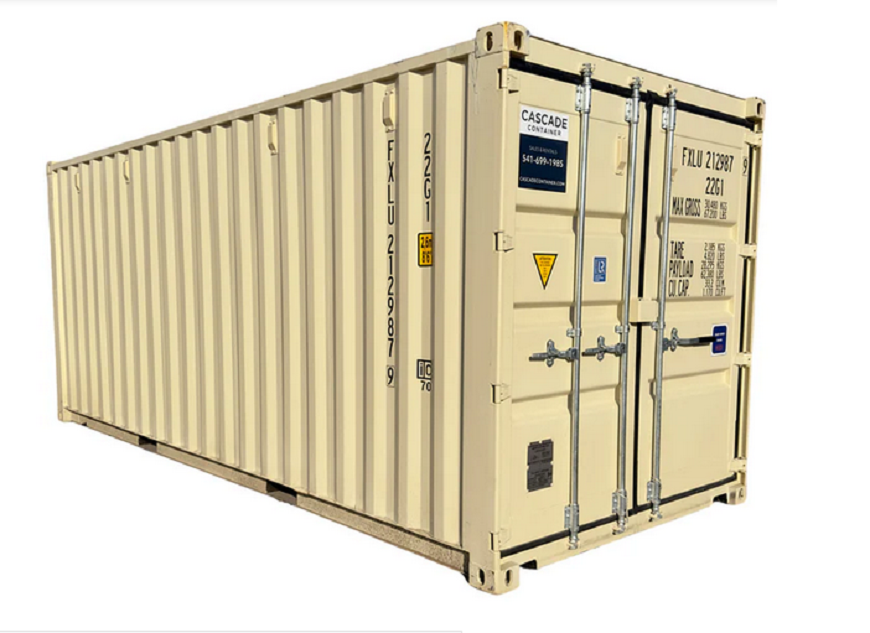
Read More: Discover How to Buy Shipping Containers Online: Your Complete Guide

For instance, video conferencing systems that are easy to use and high-quality can help maintain strong communication among remote and in-office teams. Collaborative platforms such as shared online whiteboards, project management software, and messaging apps keep everyone on the same page, allowing for efficient teamwork and quick problem solving.

Digital signage also plays an essential role in a collaborative workspace. It can display real-time updates, announcements, and key performance indicators in real-time, keeping teams informed and aligned. By offering this instant access to information, businesses ensure that all employees, whether on-site or remote, have the tools they need to collaborate effectively.

Promoting Spontaneous Interactions

Encouraging spontaneous interactions is a key aspect of fostering collaboration. The best ideas often come from informal conversations between colleagues or during moments of downtime. By designing spaces that promote casual encounters, companies can encourage employees to engage with one another more naturally. Open-plan spaces, lounges, and break areas create opportunities for employees to meet, chat, and share ideas in a relaxed setting.

While open-plan offices have become common, it’s important to strike a balance between open spaces and areas that provide privacy for focused work. Breakout areas, small meeting rooms, or quiet zones offer employees a place to escape from the noise and engage in more focused, smaller-team collaboration. These spaces ensure that employees have the right environment for both creative discussions and individual concentration.

Hybrid Work Models and Remote Collaboration

The rise of hybrid work models has led to a shift in how offices are designed. Future workspaces must accommodate both in-office and remote employees. It’s crucial for businesses to provide the tools and infrastructure that allow teams to collaborate seamlessly, regardless of their physical location.

Read More: Radiator Outlet Ireland Now Offers Underfloor Heating

Hybrid offices need to feature technology that enables easy integration for remote workers. For example, collaborative video conferencing systems, screen-sharing technology, and cloud-based project management tools ensure that remote employees can easily participate in meetings and stay connected with their teams. These tools create a level playing field for all employees, ensuring that remote team members are just as engaged as those in the office.

Additionally, companies must ensure that their office designs foster inclusion for all employees, no matter where they work from. Hot-desking and flexible working areas support remote workers who come into the office occasionally. This flexibility makes it easier for them to find a workspace when they are in the office, helping them feel connected and engaged with their teams.

Workspaces That Promote Wellbeing

The wellbeing of employees has become an essential consideration in workspace design. Companies are recognising that a healthy work environment contributes to higher productivity, job satisfaction, and employee retention. Future workspaces must be designed to support physical and mental wellbeing through features such as natural light, ergonomic furniture, and spaces for relaxation.

Biophilic design, the integration of plants, natural light, and water features, has become a popular trend in office spaces. Studies have shown that access to natural elements can improve mood, increase creativity, and reduce stress. By bringing the outdoors inside, businesses create a calming and inviting environment that encourages collaboration while enhancing employees’ overall wellbeing.

Moreover, providing spaces for relaxation and mental rejuvenation, such as quiet rooms or areas for meditation, helps employees manage stress and recharge. This makes it easier for them to stay focused and productive throughout the day, especially in high-pressure environments.

Data-Driven Workspace Design

With the increasing adoption of smart technology, businesses now have the ability to gather data about how office spaces are used. Smart sensors can track foot traffic, meeting room usage, and even air quality, providing valuable insights that can help optimise office layouts and resource allocation. For instance, if certain areas of the office are underused, businesses can consider repurposing those spaces for different activities or improving the design to encourage more engagement.

Data-driven insights also help businesses better understand employee preferences, such as which work areas are most popular or which types of spaces employees prefer for meetings. By using this data, organisations can continuously improve their office environments to better suit the needs of their teams.

Sustainability and Collaboration

Sustainability is a growing concern for businesses, and workspace design plays an important role in promoting environmental responsibility. Future workspaces should incorporate sustainable materials, energy-efficient lighting systems, and low-impact technologies to reduce the environmental footprint of the workplace.

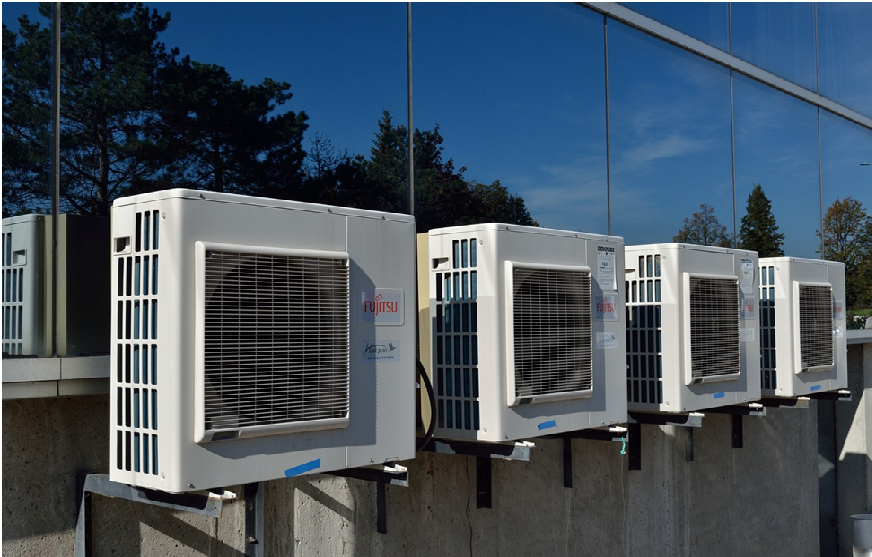
The use of recyclable materials, energy-efficient heating and cooling systems, and waste reduction strategies helps businesses create more sustainable workplaces. This focus on sustainability not only benefits the environment but also contributes to employee satisfaction. Employees increasingly want to work for companies that prioritise sustainability, and an eco-friendly workspace can be a major draw for top talent.

For wider commercial, hospitality, or public-facing projects, small supporting details can make the finished space feel more complete. Composite decking can provide a durable, low-maintenance surface for terraces, entrances, outdoor seating areas, and customer-facing spaces; while hand dryers can support cleaner, more efficient washroom facilities; while traditional signage can add character, direction, and brand presence.

Conclusion

Designing future workspaces that inspire collaboration requires a blend of flexibility, technology, and a focus on employee wellbeing. By incorporating adaptable layouts, seamless communication tools, and spaces that promote casual interactions, businesses can create environments that foster creativity, engagement, and teamwork. As the nature of work continues to evolve, companies that invest in thoughtful workspace design will ensure that their teams have the tools, spaces, and support they need to thrive.

admin

admin

Leave a Reply